How Long for Asphalt to Cure: The Critical First Days
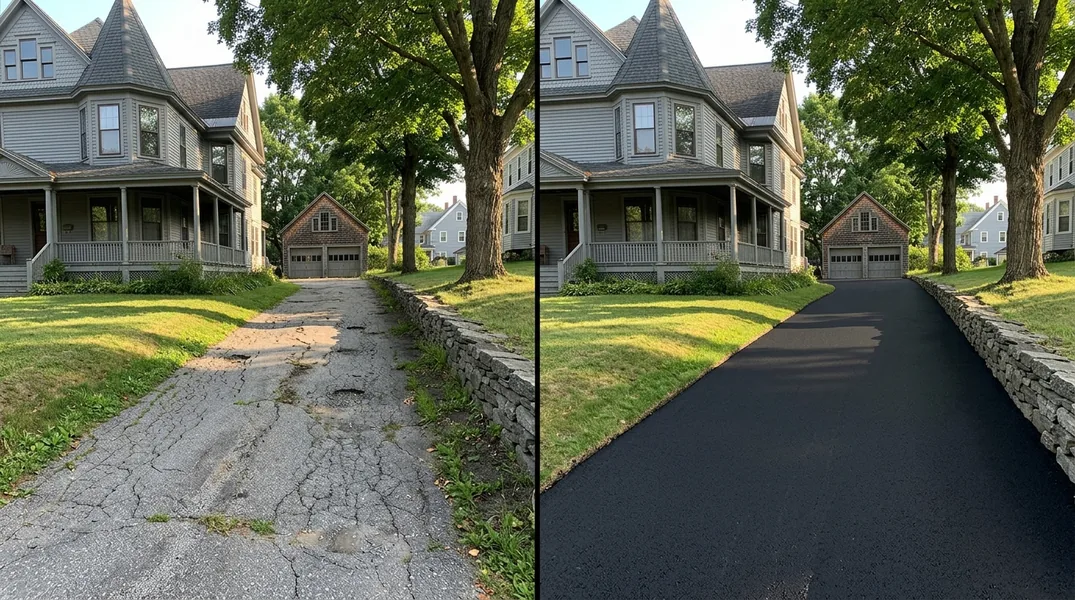
You've just had a beautiful new asphalt driveway installed, and naturally, you want to use it right away. However, understanding the curing process is essential to protecting your investment. Asphalt doesn't reach full strength immediately after installation. Instead, it goes through a gradual hardening process that can take weeks or even months, depending on weather conditions and the specific mix used by your contractor.
When asphalt is freshly laid, it's still relatively soft and malleable. During the first 24 to 48 hours, the surface will cool and begin to harden, but it remains vulnerable to damage from vehicle traffic, foot traffic, and weather. In Burlington, where temperatures can vary significantly throughout the year, the curing timeline may differ slightly depending on the season. Warmer weather accelerates curing, while cooler temperatures slow the process. This is why the timing of your Asphalt Driveway Paving & Installation project matters.
How Long Before You Can Drive on New Asphalt
One of the most common questions homeowners ask is, 'When can I drive on my new asphalt driveway?' The short answer is that you should wait at least 24 to 48 hours before allowing any vehicle traffic on the surface. During this initial period, the asphalt is still cooling and hasn't developed sufficient structural integrity to safely support the weight and friction of vehicles. Driving on it too early can cause tire marks, ruts, and permanent damage that would require costly repairs.
However, waiting 24 to 48 hours is just the beginning of the curing process. While you may be able to drive on your driveway after two days, the asphalt continues to cure for several weeks. For the first week, it's wise to drive slowly and avoid making sharp turns or sudden stops, as these maneuvers place additional stress on the still-softening surface. Full curing typically takes 30 to 60 days, depending on weather conditions. During this time, try to minimize heavy traffic, such as delivery trucks or construction vehicles, on your new driveway. If you have questions about your specific timeline, the team at Burlington Asphalt Paving can provide personalized guidance based on your installation date and local weather patterns.
New Asphalt Driveway Care: Essential First Steps
Proper care during the curing period is crucial to ensuring your new asphalt driveway lasts for years to come. Beyond simply avoiding heavy traffic, there are several active steps you should take to protect your investment. First, keep the surface clean and free of debris. Small stones, leaves, and dirt can trap moisture against the asphalt, potentially causing damage. A gentle sweep or light rinse with a garden hose is fine, but avoid high-pressure washing for at least 30 days, as the force can damage the still-curing surface.
Temperature fluctuations are another consideration for new asphalt care in Burlington. Avoid parking vehicles in the same spot for extended periods during the first few weeks, as concentrated heat from the tires can soften the asphalt unevenly. Similarly, be cautious about exposing the driveway to extreme heat, such as from barbecue grills or fire pits placed directly on the surface. During hot summer months, the asphalt may become slightly soft, which is normal, but it will re-harden as temperatures cool. If you notice any unusual softness or surface irregularities, contact Burlington Asphalt Paving at (802) 214-7338 to discuss whether any adjustments are needed.
One thing to avoid during the curing period is applying any sealant or treatments. Many homeowners assume they should seal their new driveway immediately, but this is actually counterproductive. Sealing should wait until the asphalt has fully cured, typically 90 days after installation. Applying sealant too early can trap moisture in the asphalt and prevent proper curing, potentially leading to premature deterioration.
How Often to Seal Driveway: A Long-Term Care Strategy
Once your new asphalt has fully cured, sealing becomes one of your most important maintenance tasks. Driveway sealing protects the asphalt from UV rays, moisture, oil spills, and chemical damage that can significantly shorten its lifespan. The question of how often to seal your driveway depends on several factors, including traffic volume, climate, and the quality of the initial installation. As a general rule, most asphalt driveways in the Burlington area should be sealed every two to three years.
However, the first seal coat is particularly important and should be applied approximately 90 days after your new asphalt driveway is installed. This initial seal locks in the asphalt's flexibility and provides a protective barrier before the surface begins to oxidize. After that, regular resealing on a two to three year schedule will extend the life of your driveway significantly. In areas with harsh winters, like Vermont, you might consider sealing in the fall before snow and ice arrive, as these conditions can accelerate wear and deterioration. If you're unsure about the right sealing schedule for your specific driveway, Burlington Asphalt Paving can assess your surface and recommend a maintenance plan tailored to your needs.
Neglecting to seal your driveway can lead to more serious problems down the line. Water infiltration, freeze-thaw damage, and oxidation can all cause cracks and potholes that require Pothole Repair & Asphalt Patching or even full Asphalt Resurfacing & Overlay services. Regular sealing is a cost-effective way to prevent these expensive repairs and keep your driveway looking new for years to come.
Preparing Your New Asphalt for Burlington's Winter Conditions
Living in Burlington means preparing for cold, snowy winters that can be particularly tough on asphalt. If your new driveway is installed in late summer or early fall, you'll want to take extra precautions to ensure it's ready for winter weather before the first freeze arrives. The curing process actually continues throughout the fall, and the transition into winter is a critical time for protecting your investment. Make sure your driveway is fully sealed before winter arrives, ideally by early November, so that the protective barrier is in place when snow and ice begin to accumulate.
During winter, avoid using rock salt on your new asphalt driveway if possible, as salt can accelerate deterioration and cause spalling (surface flaking). Instead, consider using sand or calcium chloride-based products, which are less damaging to asphalt. If you must use salt, apply it sparingly and rinse the driveway with fresh water in early spring to remove salt residue. Additionally, clear snow and ice promptly to prevent water from pooling and seeping into small cracks. Even on a well-maintained new driveway, freeze-thaw cycles can eventually cause damage, so vigilant winter care is essential.
If you notice any issues with your new asphalt during the first winter, such as unexpected cracking or soft spots, don't wait until spring to address them. Contact Burlington Asphalt Paving at (802) 214-7338 or request a free estimate for any necessary Driveway Repair work. Early intervention can prevent small problems from becoming major issues that compromise the integrity of your entire driveway.
When to Call a Professional: Getting Expert Help
While homeowners can handle basic maintenance tasks like sweeping and regular cleaning, some aspects of new asphalt care require professional expertise. If you're uncertain about your driveway's curing progress, notice unusual discoloration or soft spots, or have questions about sealing and maintenance, it's always best to consult with experienced professionals. The team at Burlington Asphalt Paving has years of experience installing and maintaining asphalt driveways throughout the region and can provide expert guidance specific to your situation.
Whether you need advice on curing timelines, want to schedule your first seal coat, or are concerned about winter preparation, reaching out early can save you time and money in the long run. Burlington Asphalt Paving is here to answer your questions and ensure your new driveway receives the care it deserves. Call us at (802) 214-7338 or visit our website to schedule a consultation. Investing in proper care now will pay dividends for years to come, keeping your driveway beautiful, functional, and protected against the elements.
Looking for a professional asphalt paving contractor in Burlington? Burlington Asphalt Paving responds fast for all your asphalt paving needs.
Get a Free Quote