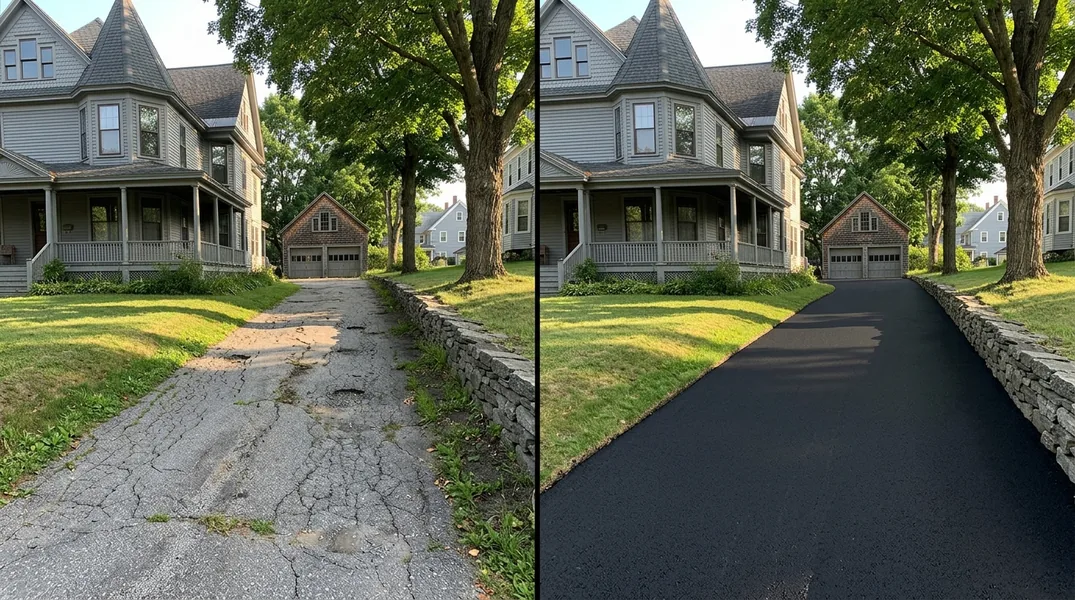
Understanding Frost Heave and Its Impact on Burlington Driveways
If you live in Burlington, you know that winter is relentless. Frost heave is one of the most destructive forces your driveway faces during the cold season. This phenomenon occurs when moisture in the soil beneath your driveway freezes and expands, pushing upward with tremendous force. As temperatures fluctuate between freezing and thawing, the ground shifts repeatedly, creating stress that cracks, buckles, and ultimately destroys driveways.
Frost heave is particularly problematic in New England because of our freeze-thaw cycles. Unlike regions with consistently cold winters, Burlington experiences multiple cycles where temperatures rise above freezing, then plummet below it again. Each cycle causes the ground to expand and contract, weakening whatever sits on top. Understanding how your driveway material responds to this stress is crucial when deciding between asphalt and concrete.
How Concrete Driveways Perform in Frost Heave Conditions
Concrete is a rigid material, which seems like it would be strong, but rigidity is actually a disadvantage in frost heave situations. When the ground beneath a concrete driveway heaves upward, the concrete cannot flex or move with the soil. Instead, the rigid slab cracks under the pressure. Once cracks appear, water infiltrates deeper into the soil below, exacerbating frost heave in subsequent winters. Over time, these cracks expand, sections of concrete become uneven, and you may see significant buckling or settlement.
Concrete driveways in Burlington often develop what homeowners call stair-step cracks or diagonal fractures within five to ten years of installation. These aren't just cosmetic problems; they indicate structural failure caused by frost heave. Once damaged, concrete is difficult and expensive to repair. You either patch individual cracks (a temporary solution) or replace the entire driveway. The typical asphalt driveway lifespan is 15 to 20 years, but concrete in our climate often fails faster due to frost damage.
Why Asphalt Driveways Better Resist Frost Heave
Asphalt has a significant advantage over concrete when it comes to frost heave: flexibility. Asphalt is a semi-flexible material that can move slightly with ground shifts without cracking. When frost heave pushes upward, asphalt bends rather than breaks. This flexibility allows the material to accommodate the expansion and contraction of soil beneath it, reducing the likelihood of catastrophic failure. Additionally, asphalt's dark color absorbs heat from the sun, which helps melt ice and snow faster than concrete, reducing the freeze-thaw cycles your driveway experiences.
The Asphalt Driveway Paving & Installation process also allows for better water drainage. When installed properly with correct grading and base preparation, asphalt driveways shed water more effectively than concrete. Reducing moisture in the soil beneath your driveway is one of the best ways to minimize frost heave damage. Over the asphalt driveway lifespan, this superior drainage performance means fewer repairs and longer overall durability in harsh New England winters.
Asphalt Over Concrete: Is It a Viable Solution?
Many homeowners in Burlington ask whether they can simply pave asphalt over their damaged concrete driveway. The short answer is yes, but with important caveats. Installing a blacktop driveway over an existing concrete surface is possible and can be more economical than removing the concrete entirely. However, the success of an asphalt over concrete installation depends heavily on the condition of the concrete beneath.
If your concrete driveway has only minor cracks and is relatively stable, asphalt can be applied as an overlay. The asphalt layer acts as a protective seal and provides the flexibility that concrete lacks. However, if your concrete is severely cracked, heaving, or settling unevenly, laying asphalt on top will not solve the underlying problem. The frost heave that damaged the concrete will continue to damage the asphalt overlay. In these cases, removing the concrete and installing a new asphalt driveway on a properly prepared base is the more durable long-term solution. Burlington Asphalt Paving can assess your specific situation and recommend whether an overlay or full replacement makes sense for your property.
Asphalt Driveway Lifespan and Maintenance in New England
The typical asphalt driveway lifespan ranges from 15 to 20 years, but in Burlington's climate, proper maintenance can extend this significantly. Regular seal coating every two to three years protects asphalt from UV damage, water penetration, and oxidation. Prompt Pothole Repair & Asphalt Patching prevents small issues from becoming expensive problems. Keeping your driveway well-maintained is far more cost-effective than dealing with the consequences of neglect.
When your asphalt driveway begins to show signs of age, Asphalt Resurfacing & Overlay is an excellent option. Resurfacing adds a new layer of asphalt over the existing surface, restoring appearance and functionality without the expense of complete removal and replacement. This approach works well for driveways that have minor surface damage but a solid base underneath. By investing in maintenance and timely resurfacing, you can maximize your asphalt driveway lifespan and avoid the frost heave problems that plague concrete alternatives.
Getting Professional Help: Asphalt Driveway Installation Near Me
Choosing between asphalt and concrete is an important decision, and the installation process is equally critical. Poor installation can undermine even the best material. Professional Asphalt Driveway Paving & Installation includes proper site preparation, adequate base layers, correct grading for drainage, and appropriate compaction. These details make the difference between a driveway that survives frost heave and one that fails prematurely.
If you're in Burlington and ready to install a new driveway or address problems with your existing one, Burlington Asphalt Paving has the expertise to guide you through the decision. We understand the unique challenges that New England winters present, and we know how to build driveways that stand up to frost heave and freeze-thaw cycles. Contact us at (802) 214-7338 or request a free estimate to discuss your driveway needs. Our team will evaluate your property, explain your options, and provide honest recommendations based on your budget and long-term goals.
Looking for a professional asphalt paving contractor in Burlington? Burlington Asphalt Paving responds fast for all your asphalt paving needs.
Get a Free Quote